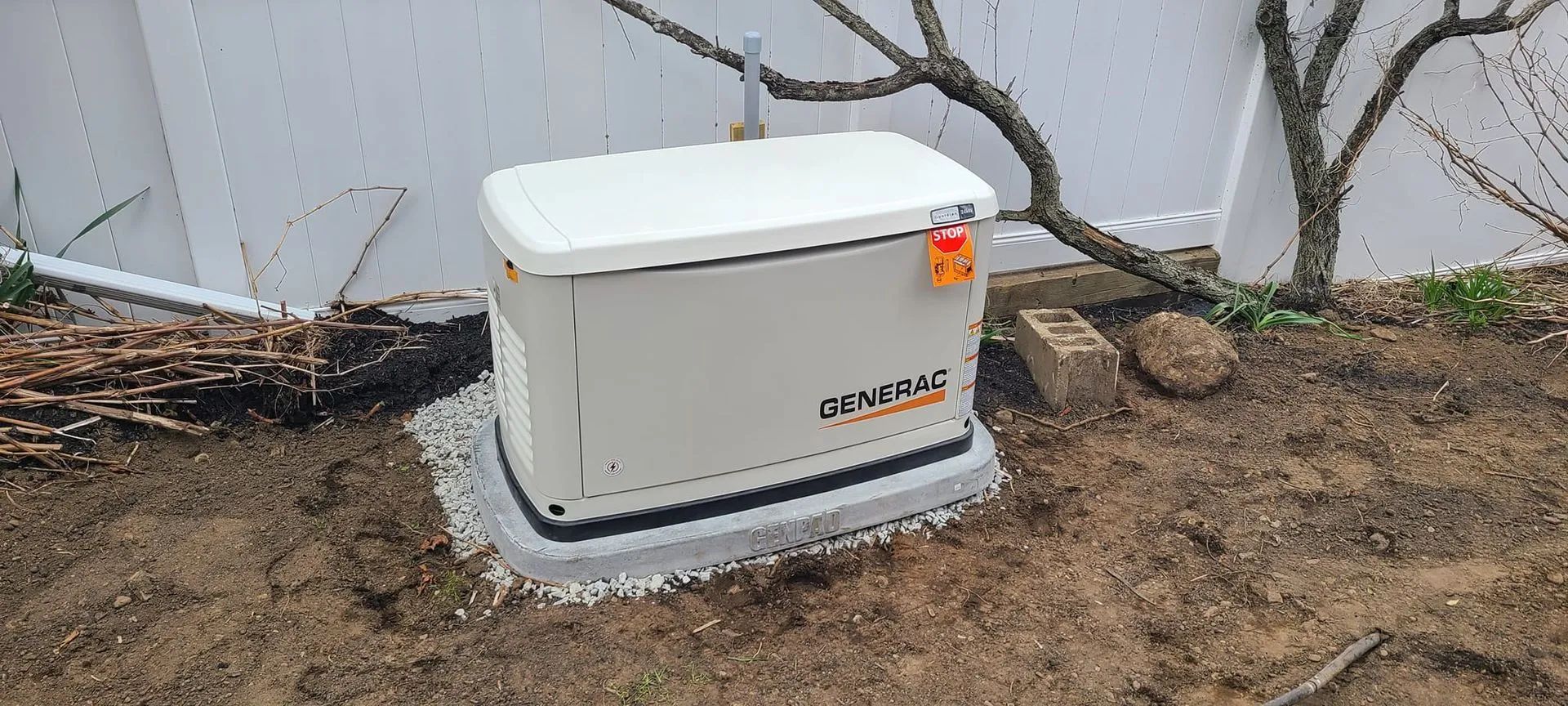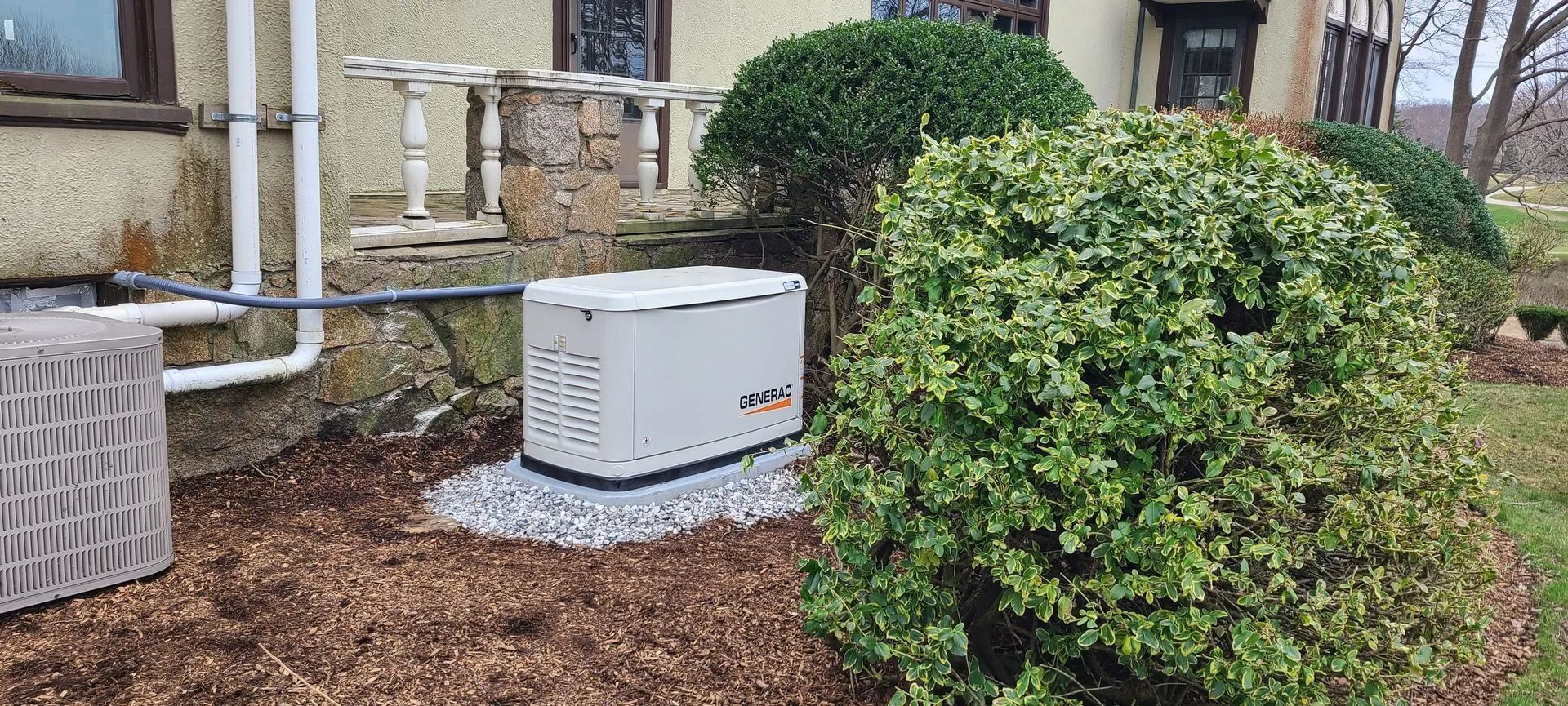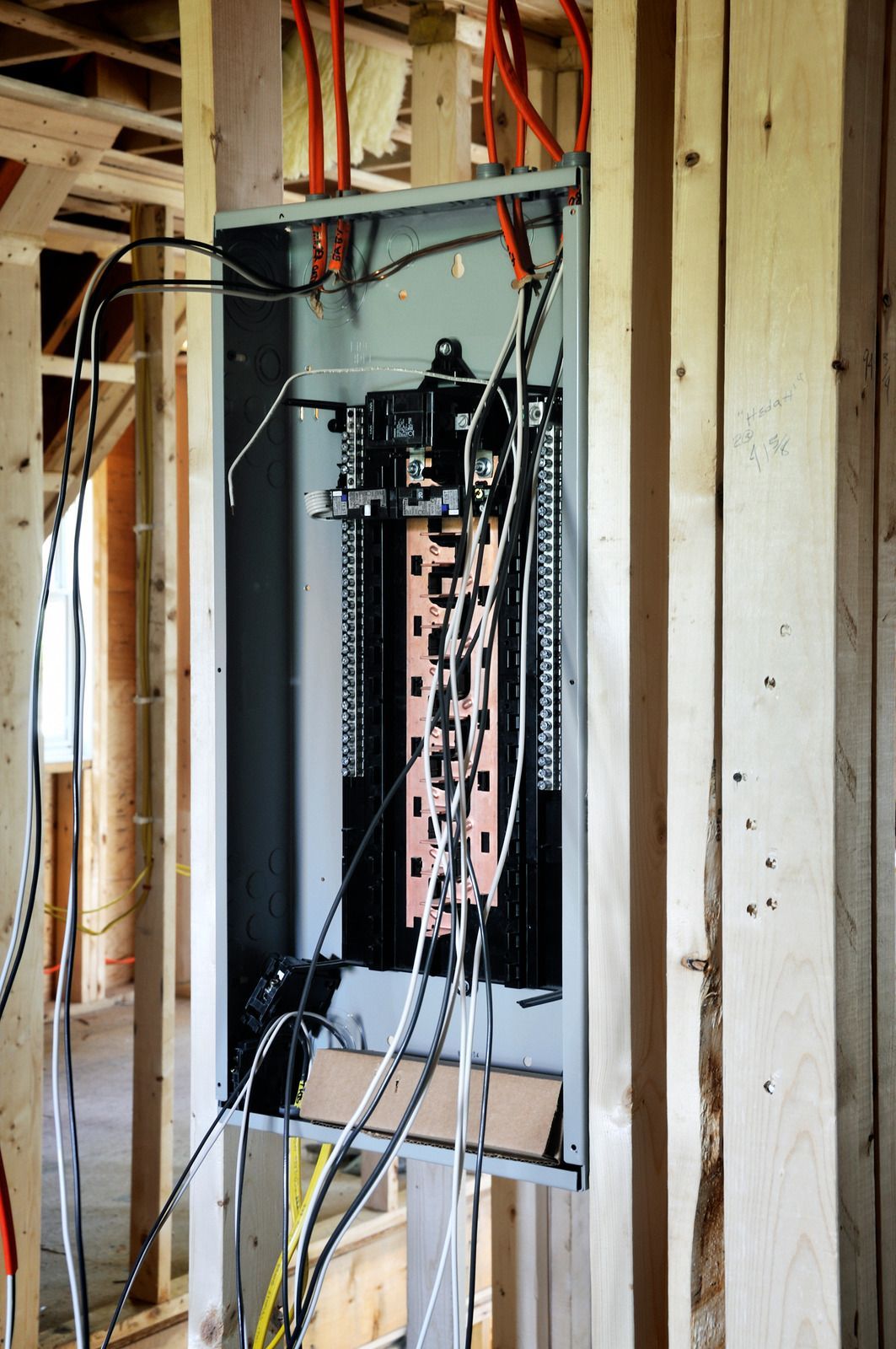
Generator Sizing for Your Home: Why Bigger Isn't Always Better
QUICK ANSWER: The right generator size comes from adding up the running watts of everything you want to power, then accounting for the single largest startup surge, not from your home's square footage. Most homes land somewhere between 10 and 14 kilowatts for essential circuits like heat, refrigeration, and a sump pump, or 18 to 26 kilowatts for true whole-house coverage that includes central air and major appliances. Homes with an electric water heater, a well pump, or an EV charger tend to need more capacity than a similar sized home that heats and cooks with gas. The only way to land on an exact number is a load calculation at your electrical panel, which weighs your specific appliances and your plans for the next several years, not a generic chart.
The storm knocks the power out around ten at night, and by the second hour the refrigerator is warming up, the sump pump has gone quiet, and someone is trying to remember whether the portable generator in the garage has enough gas in it to make it to morning. We hear a version of this story every fall and every winter across the South Shore, and it almost always ends the same way: a homeowner who bought "a generator" without ever working out whether it was the right generator for their house.
Sizing a generator isn't about picking the biggest unit you can afford or the cheapest one that clears the bar. It's a math problem with a safety dimension attached, and getting it wrong in either direction causes real trouble. Undersize it and the unit trips or stalls the moment the air conditioner or well pump kicks on. Oversize it and you're paying to run and maintain more machine than your home will ever ask for.
Neither mistake is cheap. Below, we walk through how we actually calculate generator size for a home, the difference between whole-house and essential-circuits coverage, and the details that matter most for older homes near the coast.
Whole-House Coverage vs. Essential-Circuits Backup
The first decision in any generator project has nothing to do with kilowatts. It comes down to how much of your home you want to keep running during an outage. That single choice sets every number that follows.
Essential-Circuits Backup
This approach protects the systems you need most, including heating equipment, refrigerators, freezers, sump or well pumps, lighting, and selected outlets. It usually excludes larger comfort loads such as central air conditioning and electric ranges. For most homes, a 10 to 14 kilowatt generator provides enough capacity for food, heat, and water.
Whole-House Backup
This approach keeps nearly everything operating during an outage, including central air conditioning, kitchen appliances, laundry equipment, and multiple large electrical loads simultaneously. Most homes require approximately 18 to 26 kilowatts for genuine whole-house coverage. Larger or fully electric homes may need more. It suits households wanting uninterrupted comfort throughout extended outages.
Portable Generators
A portable generator provides temporary power for a limited selection of household loads. It requires manual setup, fueling, starting, and managing connected appliances during an outage. These units can work well for modest needs or short-term emergencies. Standby generators offer greater convenience because they remain permanently connected and start automatically within seconds.
Neither path is automatically the right one. It depends on which of your home's systems you cannot do without, how often your area loses power, and how much attention you want to give the generator once it is running. Make that call on purpose, before the sizing conversation starts. Don't back into it after a unit is already sitting in the driveway.
How We Calculate the Load
Once you know which circuits you want covered, sizing becomes a matter of adding up watts and building in the right amount of headroom. This is where a lot of the guesswork that homeowners run into online falls apart.
Running Watts Versus Starting Watts
Appliances with motors, including refrigerators, well pumps, sump pumps, and air conditioners, draw significantly more power when starting than while running. This temporary surge can reach two to three times normal consumption. Sizing only for running watts may cause the generator to overload or shut down when larger motors start.
Totaling The Running Load
We begin by listing each circuit the generator needs to cover and identifying its running wattage from appliance nameplates or manuals. Lighting, furnace blowers, refrigerators, sump pumps, and selected outlets can quickly create a substantial continuous load. That combined figure establishes the baseline capacity the generator must comfortably sustain.
Adding The Largest Startup Surge
Instead of combining every appliance's starting wattage, we identify the largest motor among the selected loads, such as an air conditioner or well pump. We then add its startup surge to the running total. Because most household loads do not start simultaneously, this provides a more realistic sizing calculation.
Building In A Safety Margin
The final calculation should include additional capacity above the combined running load and largest startup surge. Operating a generator near its maximum output leaves little room for changing household demands and can increase wear. We select a unit that comfortably exceeds the calculated requirement rather than choosing the smallest possible generator.
Fuel Supply And Connection Type
Generator sizing also depends on fuel supply and installation conditions. A standby unit requires natural gas or propane capacity sufficient for full output, while undersized gas lines or tanks can limit performance. We also evaluate placement, the meter, and electrical panel together to ensure the com
TIP: Keep a running list of anything you plan to add in the next few years, an EV charger, a heat pump, a home addition, and mention it before we size your generator. Building in that headroom now is far simpler than trying to make an existing unit stretch further later.
What South Shore Homes Bring to the Sizing Conversation
Every home has its own load profile, but a few patterns show up again and again across Weymouth, Hingham, Cohasset, and the rest of the South Shore towns we work in. Coastal storms here tend to bring extended outages rather than brief flickers, which shifts the sizing conversation from "can this generator survive a few hours" to "can this generator run reliably for several days." That changes how much weight we put on fuel supply and on the wear a unit will see over a long runtime, not just its peak capacity.
Salt air shows up in the equipment conversation more than in the wattage math. Enclosures, wiring, and outdoor connections near the water take more of a beating here than they would inland. It doesn't change the kilowatt number itself, but it does shape how we plan the physical installation and the maintenance schedule once a system is in place.
Older homes bring their own wrinkle. A house with knob-and-tube remnants, an undersized service panel, or decades-old wiring often needs some electrical groundwork addressed alongside the generator project, and the panel itself may need attention before it can safely accept a transfer switch and a larger backup load. We see this constantly in the older housing stock scattered through Braintree, Quincy, and Rockland, where a home's electrical bones haven't been touched since it was built. It's usually not a surprise to the homeowner. Most people who've lived in an older house for a while already suspect the panel is due for a look.
EV ownership is the newest variable in almost every sizing conversation we have. A level 2 EV charger draws a meaningful, sustained load, and if you want to keep charging during a multi-day outage, that circuit needs to be part of the total from the start, not an afterthought squeezed in later. This comes up in essential-circuits conversations almost as often as whole-house ones. Some homeowners would rather keep a functioning vehicle than run the central air, and that's a reasonable trade to make on purpose.
Common Sizing Mistakes We See
A handful of missteps account for most of the generator problems we get called out to fix, and nearly all of them trace back to how the original sizing was done.
Sizing By Square Footage
Square-footage charts overlook whether major appliances use electricity or gas. A smaller all-electric home may need more generator capacity than a larger home using gas for heating, cooking, and other major loads.
Counting Only Running Watts
Ignoring startup surges is a common sizing mistake. A generator may appear adequate until an air conditioner or well pump starts, creating a sudden power demand that overloads the unit.
Ignoring Future Loads
Sizing a generator only for today's electrical needs can leave insufficient capacity later. Adding an EV charger, heat pump, or home addition may quickly push the existing generator beyond its practical limits.
Buying Based On A Big Number
Choosing a generator far larger than necessary increases upfront costs and may cause inefficient operation during lighter loads. Proper sizing provides enough capacity without paying for substantial unused output.
All four trace back to the same fix. Base the decision on an actual load calculation at your panel, done by someone who can see your specific appliances and your fuel supply, rather than a rule of thumb pulled from a chart.
WARNING: Never operate a portable generator inside a garage, basement, or any enclosed space, even with doors and windows open. Carbon monoxide from a running generator is colorless, odorless, and can become dangerous within minutes indoors. Portable units belong outdoors, well away from windows, doors, and vents, running through a properly rated cord or transfer switch rather than plugged directly into household wiring.
Frequently Asked Questions
What size generator do I need to run my whole house?
Most homes need 18 to 26 kilowatts for whole-house coverage including central air and major appliances. The exact number comes from a load calculation totaling running watts, the largest startup surge, and a safety margin.
Is a smaller generator enough to cover just the essentials?
Yes. An essential-circuits setup in the 10 to 14 kilowatt range keeps heat, the refrigerator, a sump or well pump, and key lights and outlets running, leaving out heavier comfort loads like central air conditioning.
Why does starting wattage matter so much more than running wattage?
Motors in air conditioners, well pumps, and refrigerators briefly draw two to three times their running wattage at startup. A generator sized only for steady running load can overload the moment one of those motors kicks in.
Can I plan for an EV charger if I do not have one yet?
Yes, and we would rather know now than resize later. Mentioning a planned EV during sizing lets us build that circuit into the calculation from the start, far simpler than adding capacity after installation.
Does an older home need anything different for generator sizing?
The wattage math stays the same, but an older panel or aging wiring can affect whether the home is ready for a transfer switch and larger backup load. We evaluate the panel alongside every sizing.
How does a well pump or sump pump change the sizing calculation?
Both are motor-driven loads with a meaningful startup surge relative to running wattage, and losing either during a storm risks flooding or no water. We treat them as priority circuits with startup demand accounted for.
A Number Built From Your Panel, Not a Chart
A generator only performs as well as the calculation behind it. Running watts, the largest startup surge, fuel supply, and room for what your household might add later all factor into a real number, one that a square footage chart can never reproduce. Two homes of similar size can need very different systems once their appliances, wiring, and future plans enter the picture, which is exactly why that number has to come from your actual panel rather than a generic rule.
Whalen Electric Inc
has sized and
installed generator systems
across Weymouth, MA for 13
years, walking panels and fuel supplies alongside homeowners who want a clear answer instead of a guess. That hands-on approach is what keeps a generator from tripping the moment the well pump kicks on, or sitting oversized and underused in the yard. A properly sized system is one a homeowner can trust the next time the power goes out for good.