How Does A Whole-House Standby Generator Work?
QUICK ANSWER: A whole-house standby generator sits outside your home, wired directly into your electrical panel through an automatic transfer switch. When utility power drops, that switch senses the loss within seconds, tells the generator's engine to start, and reroutes your home's electrical load from the grid to the generator — all without anyone touching a switch or running an extension cord. Once utility power comes back and stabilizes, the same switch reverses the process and shuts the generator down on its own.
If you've ever watched a neighbor's house stay lit during a storm while the rest of the street goes dark, that's a standby generator doing exactly what it's built for. But most homeowners have only a vague sense of what's happening mechanically once the lights come back on. Understanding the actual sequence — what starts, what switches, and what's protecting your home's wiring in the process — makes it a lot easier to trust the system, spot a problem early, and get more useful answers when you're talking with an electrician about your own setup.
The Core Components You're Actually Paying For
A standby generator isn't a single box that magically produces electricity. It's a small system made up of a handful of parts that all have to work together correctly.
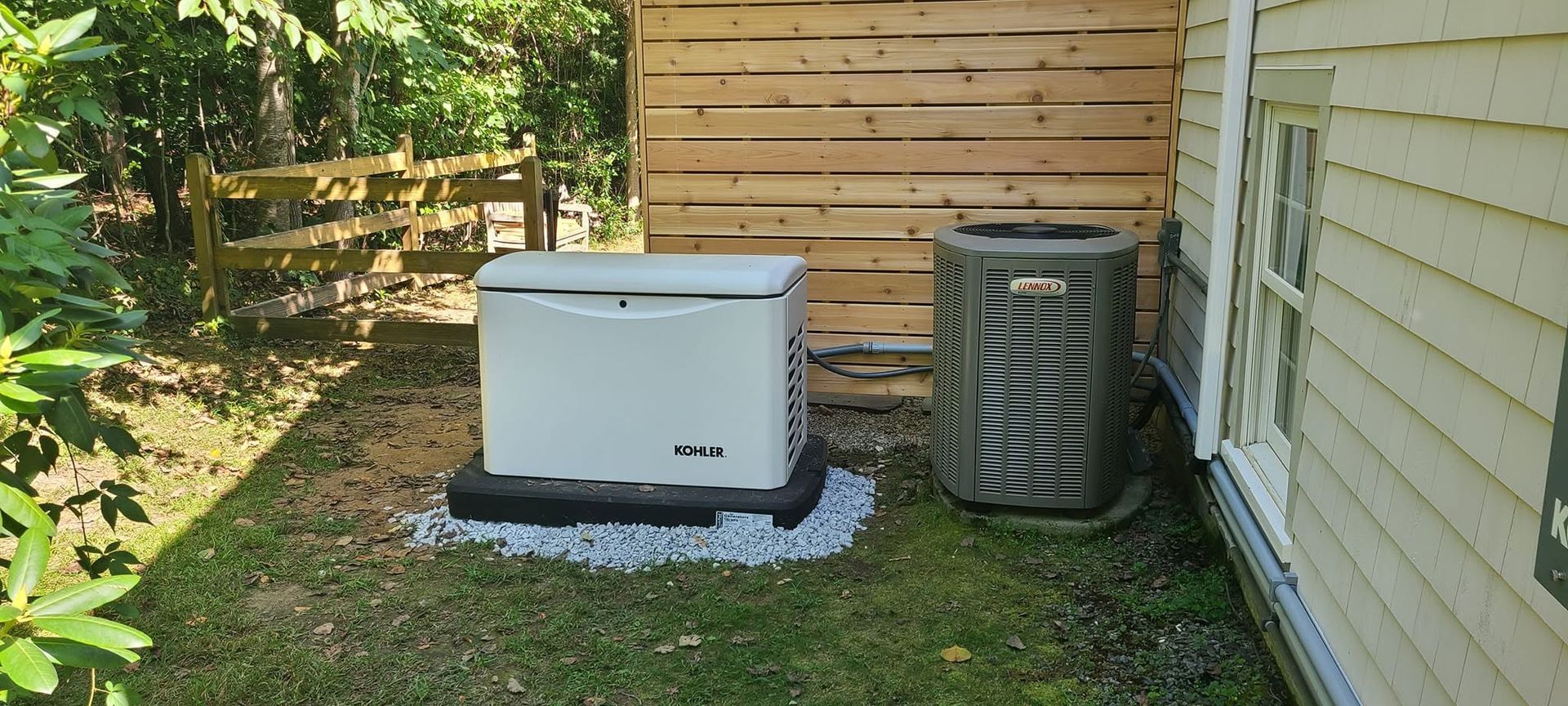
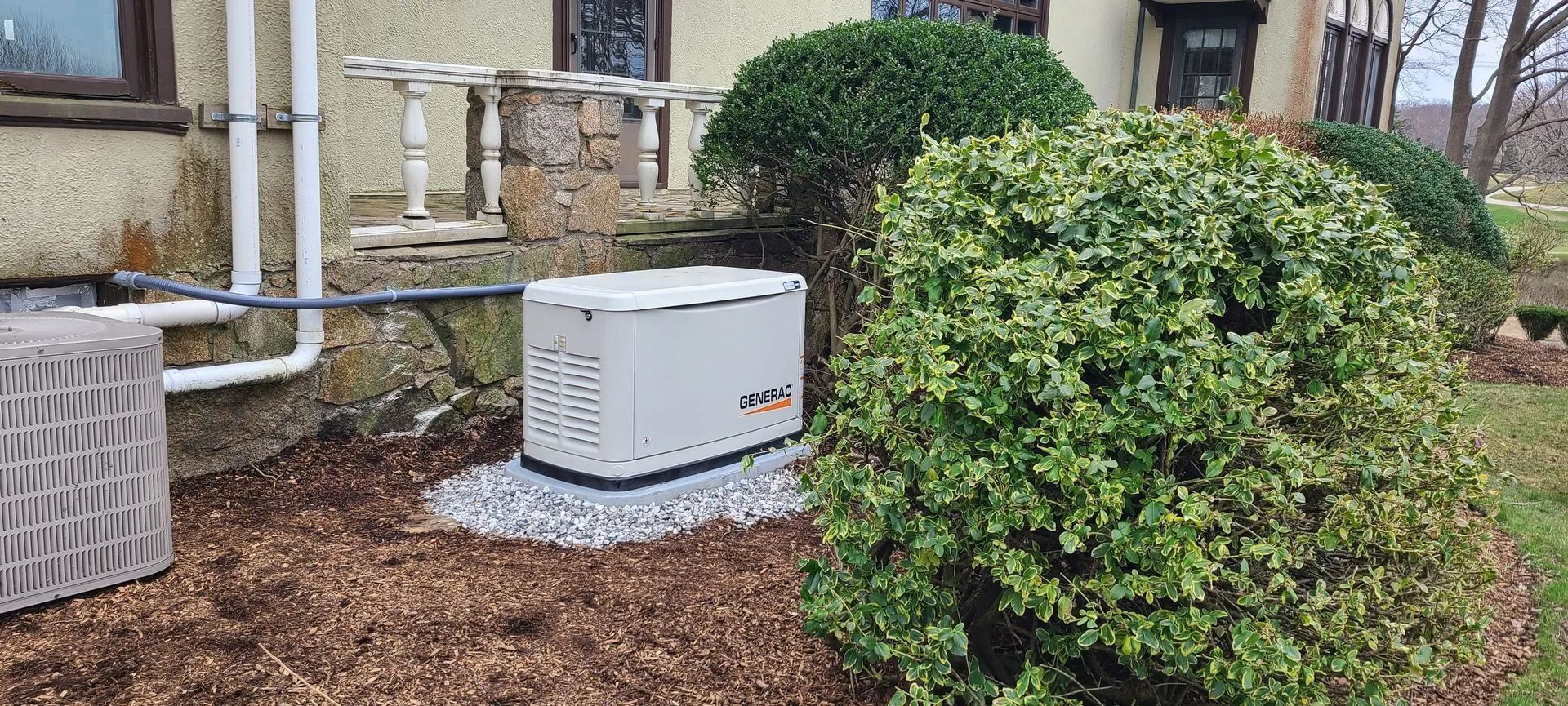
The generator unit itself houses an engine — usually running on natural gas or propane — connected to an alternator. The engine burns fuel to spin the alternator, and the alternator is what actually converts that mechanical motion into usable electrical current. This is the same basic principle behind almost every generator ever built, from a job-site unit to a jet-engine-sized industrial system; the scale and refinement just change.
The control board is the part doing the thinking. It constantly monitors engine health — oil pressure, temperature, battery voltage for starting — and it's also what runs scheduled self-tests so the unit doesn't sit untouched for months at a time. Many modern systems pair this board with a mobile app or web portal so you can check status remotely instead of walking outside every time there's a storm in the forecast.
The fuel connection ties the unit into either a municipal natural gas line or an on-site propane tank. This is a meaningful design choice, because it means a standby generator isn't limited by a fuel tank the way a portable unit is — as long as the gas keeps flowing or the propane tank has supply, the generator can keep running.
The automatic transfer switch is the piece that turns all of the above into a "whole-house" system rather than a stand-alone machine, and it deserves its own explanation.
The Transfer Switch Is the Real Brain of the Operation
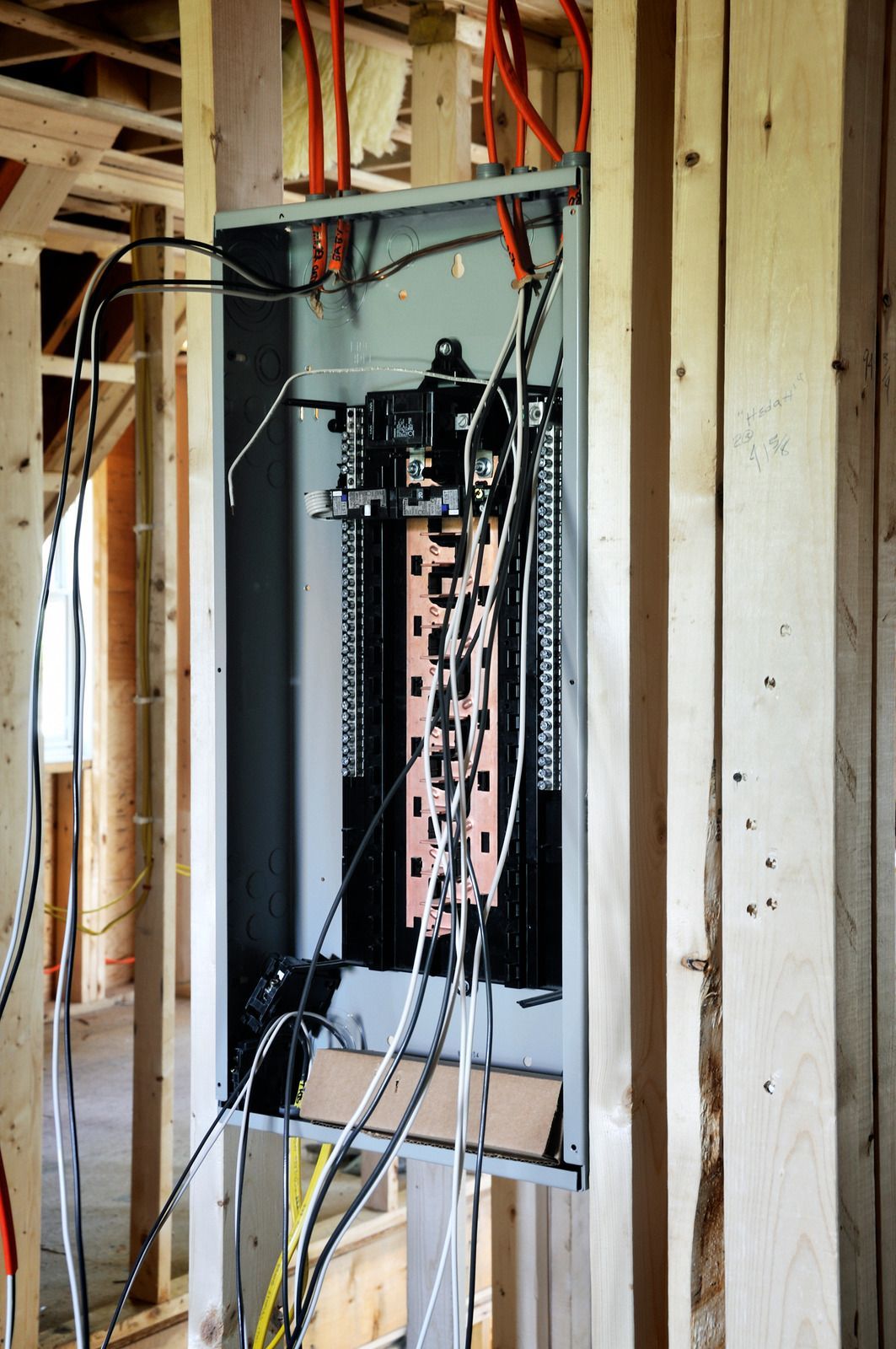
The generator itself gets most of the attention, but the automatic transfer switch, or ATS, is arguably doing the more important job. It's installed between the utility service and your home's electrical panel, and it has one core responsibility: make sure your house is never connected to both the utility grid and the generator at the same time.
That separation matters for two reasons. First, it protects your home's wiring and appliances from the kind of chaotic power surge that can happen when utility service snaps back on unpredictably. Second, and just as important, it keeps generator power from flowing backward out onto the utility lines — a phenomenon called backfeeding, which can be dangerous for utility crews working to restore power in your area during an outage.
Here's the actual sequence, start to finish. The switch is always watching incoming utility voltage, waiting for either a full interruption or a drop below a safe threshold. A quarter-second blink doesn't count — it's built to ignore those. Once it confirms a real outage, it fires a start signal to the generator's engine, and the engine spends a few seconds stabilizing its voltage and frequency before it's asked to carry any load. Then comes the actual swap: the switch fully disconnects your home from the utility side before it connects to the generator side. That gap matters. Electricians call it a break-before-make transfer, and it exists so your panel is never bridged to both power sources at once. From there, your circuits run on generator power for as long as the outage lasts. When the utility grid comes back and holds steady, the whole thing runs in reverse — home reconnects to the grid, generator gets a signal to cool down, and it shuts itself off.
Start to finish, that whole sequence usually lands somewhere between ten and thirty seconds. Not instant. But fast enough that your refrigerator won't warm up, and most people notice nothing more than a quick flicker of the lights.
Why the System Tests Itself Even When Nothing's Wrong
If you've ever heard your generator kick on for a few minutes on a random weekday with no storm in sight, that's not a malfunction — it's a scheduled exercise cycle, and it's one of the more useful features built into these systems.
A standby generator spends the overwhelming majority of its life sitting idle. An engine that sits unused for long stretches is prone to problems: fuel lines can gum up, batteries can lose charge, and moving parts can seize slightly from lack of lubrication. To prevent all of that, the control board runs a short self-test on a set schedule, often weekly, running the engine long enough to circulate oil, exercise the mechanical components, and confirm the unit still starts and runs cleanly.
Most of these test cycles run for a few minutes, and they're easy to miss entirely if you're not standing near the unit. Twice a year, many systems run a longer cycle instead — sometimes pushing toward 45 minutes. That extended run burns through fuel that's been sitting in the lines, which matters more for propane systems than natural gas ones.
TIP: If your generator's exercise cycle seems to be getting longer, louder, or less consistent over time, don't wait for an actual outage to find out why. A control board that's flagging irregular starts during a routine test is giving you an early warning while you still have the luxury of scheduling a fix.
Fuel Source Shapes How Long You Can Actually Run
The choice between natural gas and propane isn't just a hookup detail — it changes how the whole system behaves during a real outage.
Natural gas ties directly into your municipal gas line, so the generator can run for as long as the outage lasts without anyone thinking about refueling. That matters during multi-day outages, and a bad coastal storm can absolutely produce one.
Propane systems rely on an on-site tank, so runtime is tied to how much fuel is in that tank and how heavy the load is. A larger tank and a lighter load stretch runtime considerably; a smaller tank feeding a fully loaded system will empty faster. Neither fuel type requires a scheduled cool-down before restarting during extended use — modern standby units are engineered to run continuously as long as fuel and oil levels are maintained.
Why This Matters More If You're on the South Shore
Coastal weather patterns change the math on backup power in ways that inland homeowners don't always have to think about. Nor'easters and other coastal storm systems here tend to bring extended outages rather than the brief blips you'd get from a quick summer thunderstorm inland, and that's precisely the scenario standby generators are designed around. A system that can run continuously for days, rather than needing to be refueled and manually restarted every few hours, is the difference between riding out a storm comfortably and improvising.
Salt air is the other factor that doesn't get talked about enough. Homes near the water deal with airborne salt that accelerates corrosion on anything left outdoors, and a generator's enclosure, wiring connections, and exposed hardware are not exempt from that. Units installed near the coast benefit from more frequent visual inspections of housing seals, connection points, and any exposed metal, simply because the environment is working against the equipment faster than it would inland.
Older homes throughout this region add a third wrinkle. Many properties still have electrical panels and wiring that predate modern load demands, which means the connection point between a new standby system and an aging panel deserves a closer look before installation — not after something trips repeatedly.
WARNING: Never attempt to connect a portable generator to your home's wiring by plugging it into an outlet or improvising a connection at the panel. Without a properly installed transfer switch, there's no mechanism preventing backfeed, and that creates a genuine shock and fire hazard for your household and for anyone working on utility lines nearby. If you want backup power wired into your home's circuits, that connection needs a transfer switch installed by someone who does this work regularly.
What a Standby Generator Won't Do
Let's be straight about the limits, too. A lot of the confusion homeowners run into comes from assuming the system does more than it's actually designed to.
A standby generator won't prevent the brief flicker that happens during the transfer itself — there's a short gap, typically a matter of seconds, between the utility going down and the generator taking over. Sensitive electronics that can't tolerate any interruption at all, like certain medical equipment, generally need a separate battery backup layered on top of generator power for that reason.
It also won't run forever without any attention from you. Oil levels and battery condition still need periodic checking. Air filters don't clean themselves, and propane supply needs a watchful eye during a long outage. The "automatic" in automatic standby generator refers to the startup and transfer sequence — not a free pass on maintenance.
Finally, sizing matters more than people expect. A generator that's undersized for the home's actual electrical demand can struggle when several large appliances try to draw power simultaneously, tripping internal protections rather than actually failing outright. That's less a flaw in the generator and more a mismatch that should get caught during planning.
Signs Something in the System Needs a Closer Look
A handful of patterns show up well before an actual failure, and they're worth paying attention to between outages. The exercise cycle running noticeably longer or shorter than usual, or skipping a scheduled run entirely, is one of the clearest early flags. So is a fuel smell near the unit — that almost always points to a connection issue, and it shouldn't wait. A fault code or warning light on the control panel where you'd normally see a plain "ready" status is another one worth calling in. The transfer switch shouldn't clunk or hum oddly during a test, either, and if the unit starts up but shuts back down within a minute instead of finishing its cycle, something's cutting that run short.
None of this automatically means a major repair is coming. But every item on that list is far easier to sort out on a calm afternoon than in the middle of a storm with the power already out.
Frequently Asked Questions
Does a standby generator power the entire house at once?
It depends on the generator’s size and installation. Some systems power the entire home, while others prioritize essential circuits like heating, refrigeration, well pumps, and lighting to stay within capacity.
How is a standby generator different from the portable kind?
Portable generators require manual starting, fueling, and connection. Standby generators are permanently installed, start automatically, and connect directly to the electrical panel through a transfer switch for seamless backup power.
Will the generator keep running if I'm not home?
Yes. An automatic transfer switch detects outages and signals the generator to start without anyone present. Once power returns, the system shuts down automatically, while remote monitoring can provide status updates.
Why does the generator sometimes run for a short burst on a day with no outage?
That short run is the scheduled exercise cycle. It intentionally tests the engine and system components, helping keep the generator ready for an actual outage and confirming everything operates properly.
What Reliable Backup Power Really Comes Down To
Backup power stops feeling like a mystery once you can picture the sequence behind it. The utility drops, the transfer switch confirms the loss, the engine comes up to speed, and your circuits change hands in a matter of seconds. Knowing that order of operations tells you what a brief flicker actually means, why a weekly test run is worth hearing, and which small irregularities deserve attention long before the next storm shows up in the forecast.
Coastal homes ask more of this equipment than inland ones do, between salt exposure, extended nor'easter outages, and older panels that were never planned around modern electrical loads. Whalen Electric Inc
has spent 13
years working on systems throughout Weymouth, MA and the surrounding South Shore, which is long enough to recognize how those conditions show up in real installations. A generator sized and wired with that context behind it holds up noticeably better over time.