Standby vs. Portable Generators: Which Backup Power Setup Is Right for Your Home?
QUICK ANSWER: A standby generator is permanently installed outside your home, runs on natural gas or liquid propane, and switches on automatically within seconds of an outage, typically supplying 8,000 to 22,000 watts. A portable generator is a smaller gasoline unit you roll out and start by hand when the power fails, usually delivering 2,500 to 8,500 watts and requiring manual refueling. Standby units win on convenience and hands-off operation during long storms, while portables are compact, movable, and simpler to add. The right choice depends on how much of your home you want to keep running and how often your area loses power.
When a nor'easter rolls up the coast and the wind starts pushing sideways through Weymouth and Scituate, the lights usually flicker before they go. On the South Shore, that first flicker is a familiar cue. Trees come down on lines, substations trip, and a stretch of homes goes dark, sometimes for hours, sometimes for days. In that moment, the difference between a warm house with a working sump pump and a cold one with a flooding basement often comes down to one decision you made long before the storm: which kind of backup generator you installed.
You have two main paths. A standby generator and a portable generator both keep the power on, but they do it in completely different ways, and each fits a different kind of household. Below, we break down how they compare on fuel, power, setup, and the practical realities of a coastal outage, so you can decide which one earns a place at your home.
The Core Difference Between Standby and Portable Generators
The simplest way to understand the two is by how they live at your property.
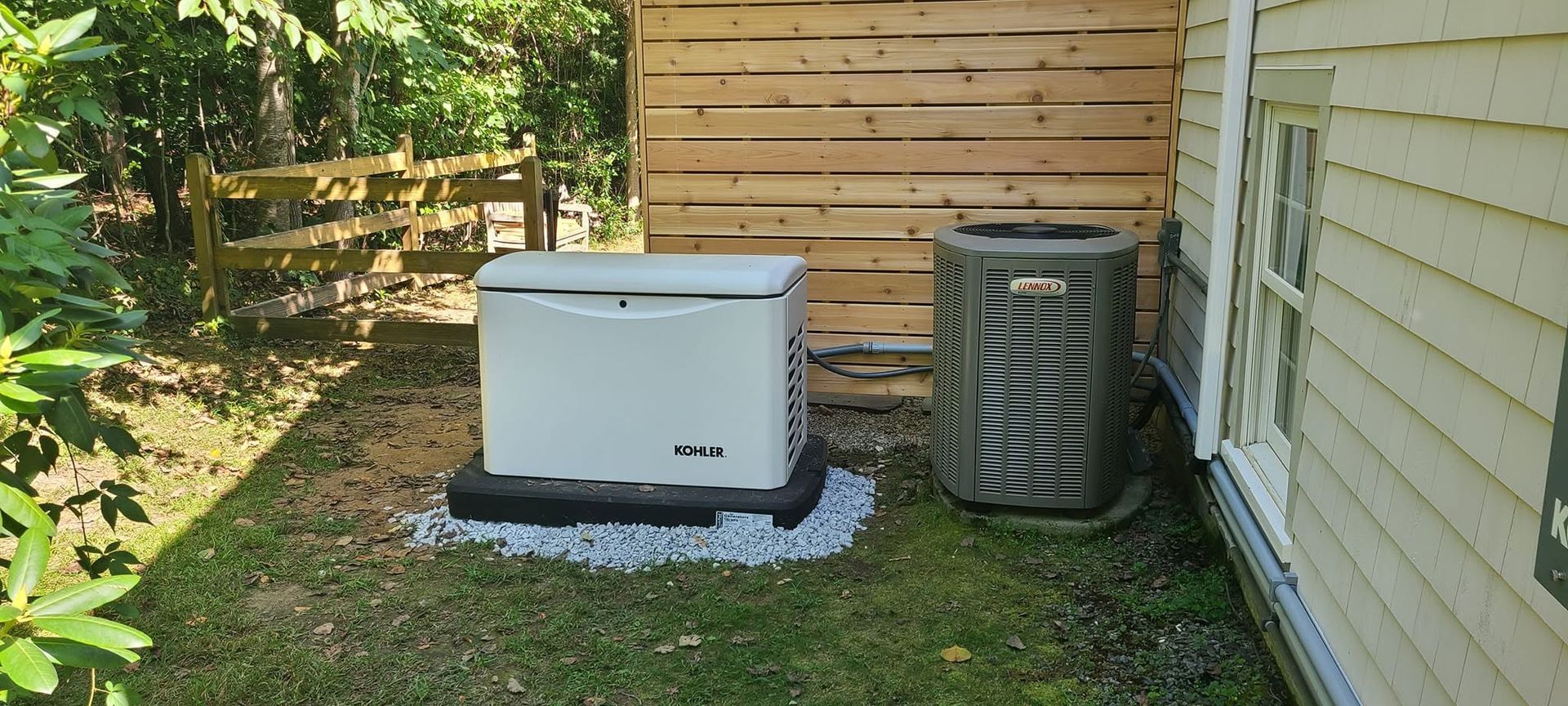
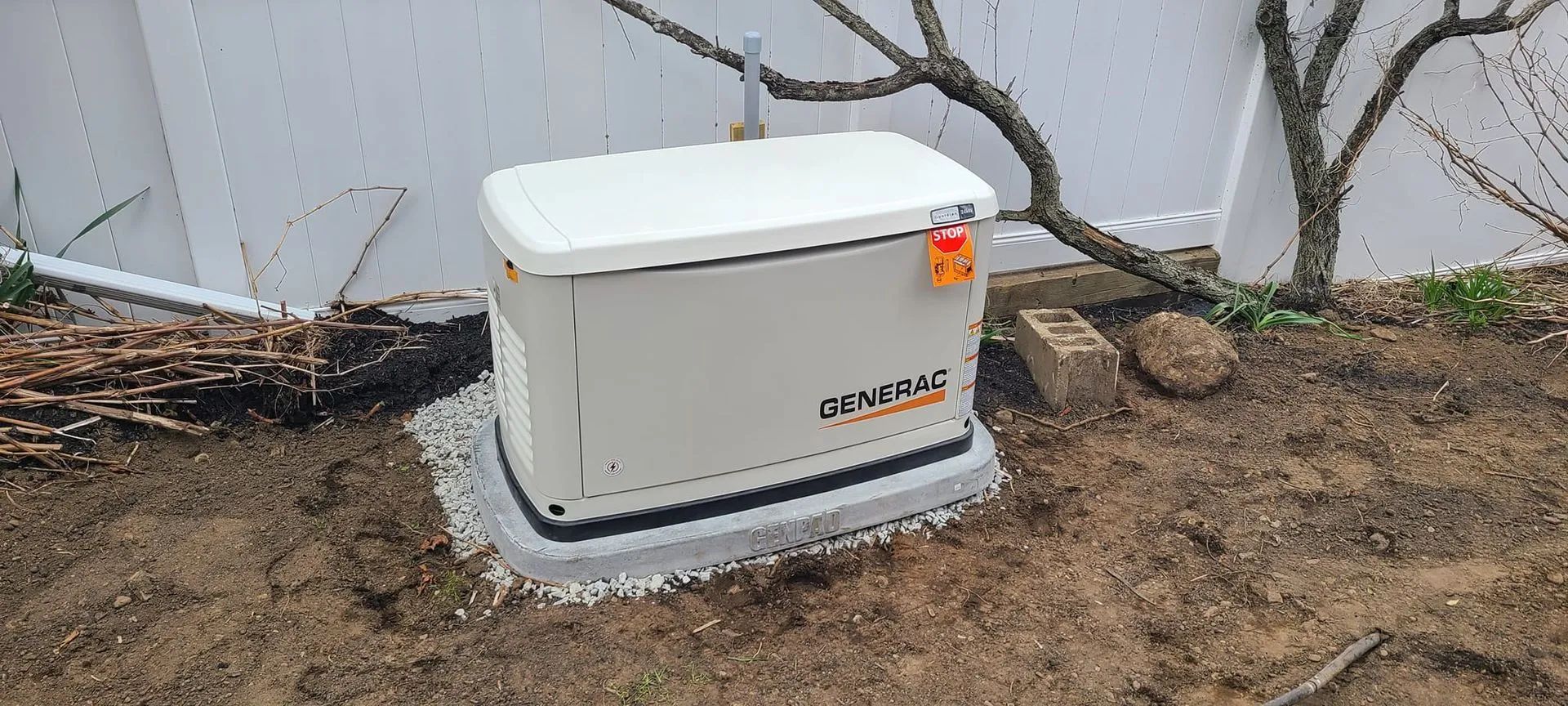
A standby generator is a permanent fixture
It sits on a pad outside your home, wired directly into your electrical system, and it stays there year-round like a central air condenser. Once a licensed electrician installs it, you do not touch it during an outage. It senses the loss of utility power on its own and starts up, often before you have even found a flashlight.
A portable generator is equipment you store and deploy
It lives in your garage or shed until you need it. When the power drops, you carry or wheel it outside, position it a safe distance from the house, start it, and connect it. It works, but every step depends on you being home, awake, and able to handle the setup in whatever weather the storm is throwing at you.
That single distinction, permanently installed versus manually deployed, drives almost every other difference between the two.
How Each One Powers Your Home
Getting electricity from a generator into your outlets and hardwired circuits safely is where a transfer switch comes in, and it matters for both types.
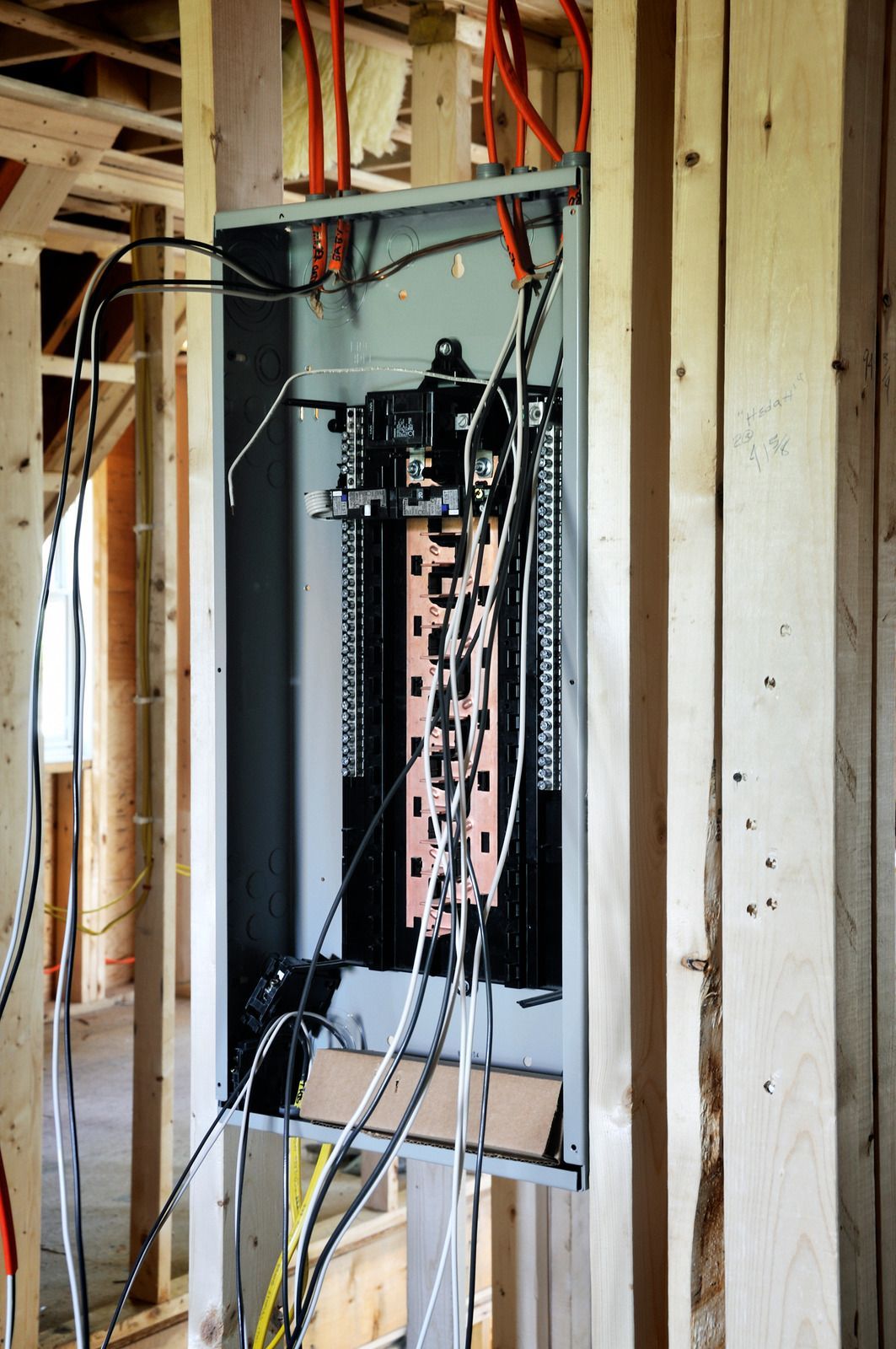
A transfer switch is the connection point between your generator and your home's electrical panel. Its job is to isolate your house from the utility line while the generator is running. That isolation is not optional busywork. Without it, power from a generator can flow backward onto the utility lines, a dangerous condition called backfeed that puts line crews and your own equipment at risk. The transfer switch keeps those two power sources from ever touching.
With a standby generator, the transfer switch is automatic. It watches the utility feed, and when the grid drops, it disconnects your home from the street and connects it to the generator, usually within 10 to 20 seconds. When utility power returns, it switches everything back and shuts the generator down. You never flip a lever.
With a portable generator, you typically use a manual transfer switch or an interlock installed at your panel. When the power goes out, you run a heavy outdoor-rated cord from the generator to an inlet, then move the transfer switch over by hand to feed the circuits you selected. It is a workable system, but it is a hands-on one, and it only powers the specific circuits it was wired to serve.
Either way, connecting a generator to your home's wiring is work for a licensed electrician. A transfer switch tied into your panel is not a plug-and-play accessory, and doing it right is what keeps the setup safe for your family and the crews working to restore the grid.
Fuel: What Keeps Each Generator Running
Fuel is one of the biggest practical dividers between the two, especially during the multi-day outages that coastal storms can cause.
Standby generators run on natural gas or liquid propane. If your home has a natural gas line, the generator draws from it continuously, which means there is nothing to refill. If it runs on propane, it pulls from a large tank on your property. In both cases, the fuel is connected at all times, so the unit can run for extended periods without you lifting a finger. During a long outage, that is a meaningful advantage: the generator keeps working through the night while you sleep.
Portable generators run on gasoline. You fill the tank to start, then monitor the fuel level and refill as it burns down, often every several hours depending on the load. That introduces two challenges during a real storm. First, you have to store gasoline safely and keep enough on hand, which is harder when local stations lose power too. Second, refueling means stepping outside repeatedly, sometimes in driving rain or freezing wind, to keep the unit going. Stored gasoline also degrades over time, so fuel that has sat since last winter may not perform when you finally need it.
For a region where a single storm can knock out power for a day or more, the always-connected fuel supply of a standby unit is one of its biggest advantages.
Power Output: What You Can Actually Run
How much of your home stays lit depends on wattage, and this is where the size gap shows.
Standby generators generally produce 8,000 to 22,000 watts. That range is enough to cover the essentials and then some: heat, refrigeration, well and sump pumps, lights, and often central systems too. Larger units can carry a whole house, so your family barely notices the grid is down. For homes with a well pump or a finished basement that relies on a sump pump, that capacity is not a luxury, it is what keeps the water out and the taps running.
Portable generators typically deliver 2,500 to 8,500 watts. A larger portable model wired through a transfer switch can run a surprising amount, refrigerator, furnace blower, some lights, and a few outlets, but you are choosing which circuits to prioritize rather than powering everything at once. That trade-off is fine for keeping the critical loads alive, but it means someone has to think about what gets power and what waits.
If your goal is to keep the entire household comfortable through a long coastal outage, a standby unit's higher output is built for it. If you mainly want to protect the freezer, the heat, and the sump pump, a well-sized portable can cover the basics.
TIP: Before choosing either option, make a short list of what you truly need during an outage, such as heat, refrigeration, and any pump that keeps your basement dry. A licensed electrician can measure the load those items draw and match it to the right generator, so you are not guessing at capacity when a storm is already on the way.
Setup, Convenience, and Storm-Day Reality
The day of an outage is when the two approaches feel most different.
A standby generator asks nothing of you. It starts itself, transfers the load, and runs. You could be at work, asleep, or away for the weekend, and your home stays powered. For families with young kids, older relatives, medical equipment, or a home office, that hands-off reliability is often the deciding factor.
A portable generator asks for your time and attention every single time. Setting one up can take anywhere from 10 to 20 minutes or more: pulling it out of storage, positioning it well away from the house, running the cords, starting the engine, and moving the transfer switch. Then you monitor and refuel it for the duration. And here is the coastal catch, portable generators are not built to sit out in the weather. They are not waterproof, and storms are the number one cause of the outages you would want them for. That leaves you managing an engine that needs to stay dry during exactly the conditions that knocked the power out.
Placement is also a safety issue that never goes away with a portable. Because these engines produce carbon monoxide, they have to run outdoors and well away from the house, doors, windows, and vents. A standby unit is engineered and positioned during installation to handle exhaust safely, so that decision is made once and done.
WARNING: Never run a portable generator inside a garage, basement, or any enclosed space, even with the door open. Carbon monoxide from the engine is invisible and odorless, and it can build to deadly levels quickly. Always operate a portable unit outdoors, far from any window, door, or vent, and keep a working carbon monoxide alarm in your home.
Frequently Asked Questions
Is a standby or portable generator better for frequent coastal storms?
For frequent, longer outages, a standby generator is usually the stronger fit. It starts automatically, runs on a fuel source that never needs refilling, and works through multi-day outages without you managing it in weather.
Can a portable generator power my whole house?
Usually not all at once. A large portable model wired through a transfer switch runs selected essential circuits like the furnace, refrigerator, and sump pump. A standby generator's higher output makes true whole-home coverage possible.
Do I need a transfer switch for either type?
Yes. Connecting either generator to your home's wiring should always go through a proper transfer switch. It isolates your house, prevents dangerous backfeed onto the grid, and safely powers hardwired circuits. An electrician installs it.
How quickly does a standby generator turn on during an outage?
Most standby systems restore power within about 10 to 20 seconds of detecting an outage. The automatic transfer switch senses the loss, starts the generator, shifts your home to backup, then reverses when utility returns.
Why can't I run a portable generator during a storm?
Portable generators aren't weatherproof, so running one in rain or snow risks damage and shock. They also emit carbon monoxide, requiring outdoor placement away from the house, which is hard to manage safely in storms.
Which generator needs less work from me during an outage?
A standby generator, by a wide margin. It starts, transfers the load, and runs on its own, with no cords, fuel, or levers. A portable unit requires setup, monitoring, and repeated refueling throughout the outage.
Long-Term Confidence During Power Outages
Choosing between a standby and a portable generator comes down to how much of your home you want to protect, how often the power goes out where you live, and how much you want to be involved when it does. On the South Shore, where coastal storms and long restoration times are part of life, that decision is worth making before the next system moves in, not during it. Planning ahead helps ensure your backup power solution fits both your household's daily needs and the challenges your property may face throughout the year.
With 13
years of experience, Whalen Electric Inc
has helped homeowners throughout Weymouth, Massachusetts, make informed decisions about dependable backup power solutions. Every home has different electrical demands, making careful planning an important part of selecting the right
generator system. Understanding your power requirements, available fuel sources, and long-term expectations creates a more reliable electrical setup that can better support your household through outages while providing confidence that your home is prepared for changing weather conditions.