What to Do (and What Not to Do) When You Have an Electrical Emergency at Home?
Electrical emergencies can happen without warning and often create immediate safety risks for homeowners and families. A burning smell coming from an outlet, sparks near electrical panels, repeated breaker trips, flickering lights, buzzing sounds inside walls, or power loss in certain parts of the home may all indicate serious electrical problems that require urgent attention. While some electrical issues appear minor at first, many emergencies develop quickly and can lead to fires, property damage, appliance failure, or dangerous shock hazards when ignored. As modern homes continue relying heavily on electrical systems for appliances, heating, cooling, lighting, communication devices, and security systems, understanding how to respond during an emergency has become increasingly important for homeowners across every type of property.
Knowing what to do during an electrical emergency can reduce risks, protect occupants, and prevent situations from becoming more dangerous before professional help arrives. Just as important, homeowners must also understand what actions to avoid because many well-intentioned mistakes increase the chance of injury or damage. Attempting unsafe repairs, ignoring warning signs, overloading circuits, or using damaged electrical equipment can turn manageable situations into major emergencies. Learning how to recognize hazardous conditions, respond calmly, shut down power safely, and contact qualified electricians helps homeowners make informed decisions during stressful situations while protecting both people and property from serious electrical hazards.
Recognizing the Warning Signs of an Electrical Emergency
Understanding Common Emergency Indicators
Many electrical emergencies begin with subtle warning signs before becoming severe problems. Homeowners who recognize these signs early often prevent larger safety hazards from developing inside the property. Burning odors near outlets, discolored switch plates, warm electrical panels, sparking receptacles, or persistent breaker trips should never be ignored because these conditions often indicate overheating wires, overloaded circuits, or failing electrical components.
Flickering lights throughout multiple rooms may also suggest larger electrical system issues rather than a simple bulb problem. In some homes, buzzing sounds behind walls or inside breaker panels indicate loose wiring connections that generate dangerous heat over time. Electrical shocks when touching appliances, switches, or outlets are another major warning sign requiring immediate professional evaluation.
Situations That Require Immediate Action
Certain situations should always be treated as urgent electrical emergencies. Smoke coming from outlets or electrical panels requires immediate power shutdown if it can be done safely. Visible sparks, exposed wiring, flooding near electrical equipment, and sudden burning smells all increase the risk of fire or electrocution.
For example, a homeowner may notice sparks after plugging in a space heater during winter. Another common scenario involves water entering a basement after heavy rain and reaching electrical outlets or extension cords. In both situations, immediate caution is necessary because electricity and heat or water create extremely dangerous conditions.
Ignoring these warning signs often allows problems to worsen behind walls or inside electrical systems. Quick recognition and safe decision-making play a major role in reducing property damage and protecting household occupants during emergencies.
What You Should Do During an Electrical Emergency
Shut Off Power Safely When Possible
One of the most important first steps during an electrical emergency is shutting off power safely if conditions allow. Turning off electricity at the main breaker panel can reduce fire risks and prevent additional damage from spreading through the system. However, homeowners should never approach the electrical panel if water is present nearby or if sparks and smoke are actively coming from the equipment.
If the issue affects only one appliance or outlet, unplugging the device may help contain the problem. This should only be done if the cord and surrounding area are dry and safe to touch. If there is any uncertainty, leaving the equipment alone and waiting for emergency assistance is the safer decision.
Keep Everyone Away From Hazardous Areas
Electrical emergencies often create hidden dangers that family members may not immediately recognize. Children, pets, and other occupants should remain away from affected rooms, damaged outlets, exposed wiring, or flooded areas containing electrical equipment. Restricting access reduces the chance of accidental contact with energized components.
For instance, if an outlet begins smoking in a kitchen, homeowners should clear the area immediately and avoid allowing anyone near nearby appliances or cabinets until the power source has been addressed. Creating distance from hazardous areas is one of the simplest ways to reduce injury risks during emergencies.
Call Qualified Emergency Electricians
After immediate safety steps are taken, contacting a licensed emergency electrician becomes essential. Electrical emergencies require professional diagnosis because many hazards remain hidden inside walls, breaker panels, attic spaces, or damaged wiring systems. Attempting temporary fixes without identifying the root cause often creates larger safety concerns later.
Professional electricians use specialized tools and training to locate faults, inspect damaged components, test system safety, and restore proper electrical operation. Fast professional response also helps prevent recurring outages, overheating, or fire hazards from returning after temporary power restoration.
What Homeowners Should Never Do During an Emergency
Avoid Attempting DIY Electrical Repairs
One of the most dangerous mistakes homeowners make during electrical emergencies is attempting repairs without proper training. Electrical systems contain live current capable of causing severe injury, burns, or fatal electrocution. Even seemingly simple tasks such as replacing outlets, resetting damaged breakers repeatedly, or handling exposed wires become extremely dangerous during emergency conditions.
Online tutorials often create false confidence for inexperienced homeowners. However, emergency electrical situations are rarely straightforward because underlying wiring damage, moisture exposure, or overloaded circuits may exist behind visible symptoms. A homeowner attempting to repair a sparking outlet without understanding circuit conditions could accidentally worsen the fault or trigger an electrical fire.
Never Use Water On Electrical Fires
Water should never be used on electrical fires because electricity can travel through the water source and create severe electrocution hazards. If a small electrical fire occurs, homeowners should use a Class C fire extinguisher specifically rated for electrical fires if it is safe to do so. If the fire spreads quickly or smoke becomes heavy, evacuation and emergency fire services become the priority.
A common mistake occurs when homeowners panic after seeing smoke near an appliance and instinctively throw water onto the area. This reaction can cause catastrophic injuries and increase electrical conductivity throughout the space.
Do Not Ignore Repeated Circuit Breaker Trips
Circuit breakers are designed to protect homes from dangerous electrical overloads. Repeated breaker trips are not random inconveniences. They usually indicate overloaded circuits, short circuits, faulty appliances, or wiring problems requiring professional inspection.
Resetting the same breaker repeatedly without identifying the cause places continuous stress on the system and increases fire risks. Homeowners should view recurring breaker trips as warning signals rather than temporary interruptions.
Handling Electrical Emergencies Involving Water and Storm Damage
Flooding Creates Serious Electrical Hazards
Water exposure dramatically increases the danger associated with electrical systems. Flooded basements, leaking roofs, storm damage, or burst pipes can energize standing water and surrounding surfaces without visible warning signs. Homeowners should never walk through flooded areas where outlets, appliances, extension cords, or electrical panels may be submerged.
After severe weather events, hidden electrical damage often exists even if power appears functional. Corrosion, damaged insulation, and compromised wiring connections may continue deteriorating after water exposure. Professional inspections help identify these hidden hazards before they create future emergencies.
Downed Power Lines Require Extreme Caution
Storms frequently damage outdoor electrical infrastructure and create dangerous conditions around homes. Downed power lines should always be treated as energized regardless of appearance. Homeowners should remain far away from fallen lines, damaged utility poles, or tree branches touching electrical wires.
Vehicles contacting power lines also create dangerous situations. Occupants should typically remain inside the vehicle until utility professionals confirm the area is safe. Attempting to exit improperly may expose individuals to electrical current traveling through the ground.
Generator Safety During Power Outages
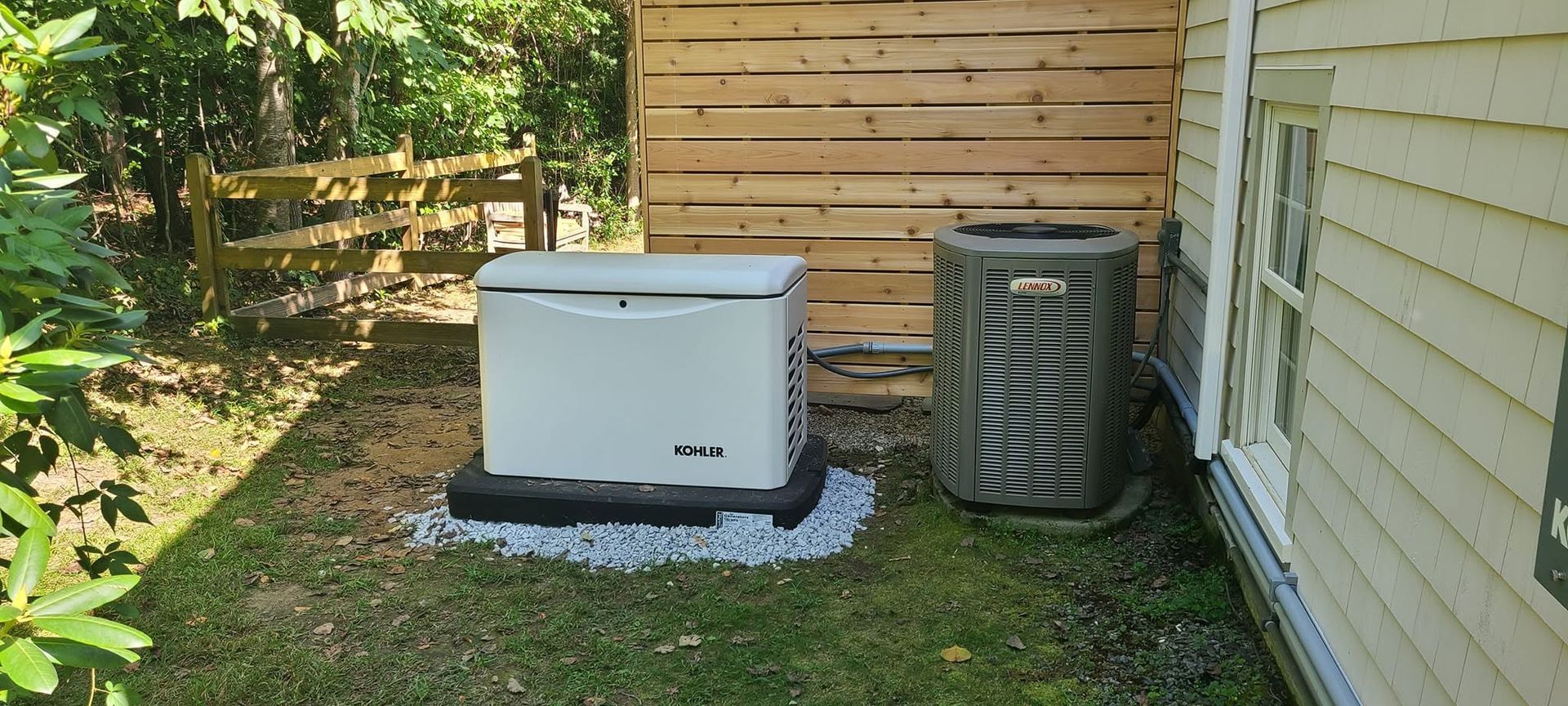
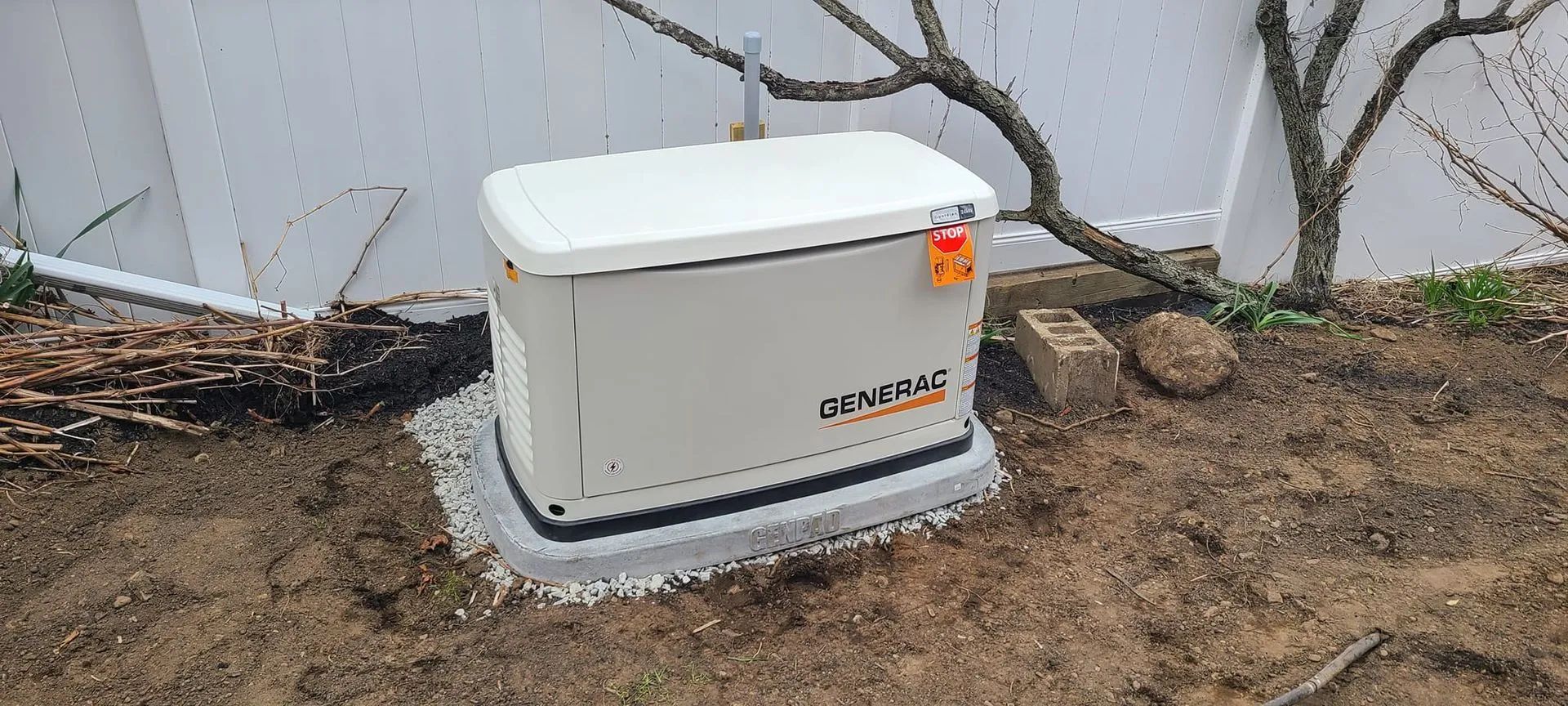
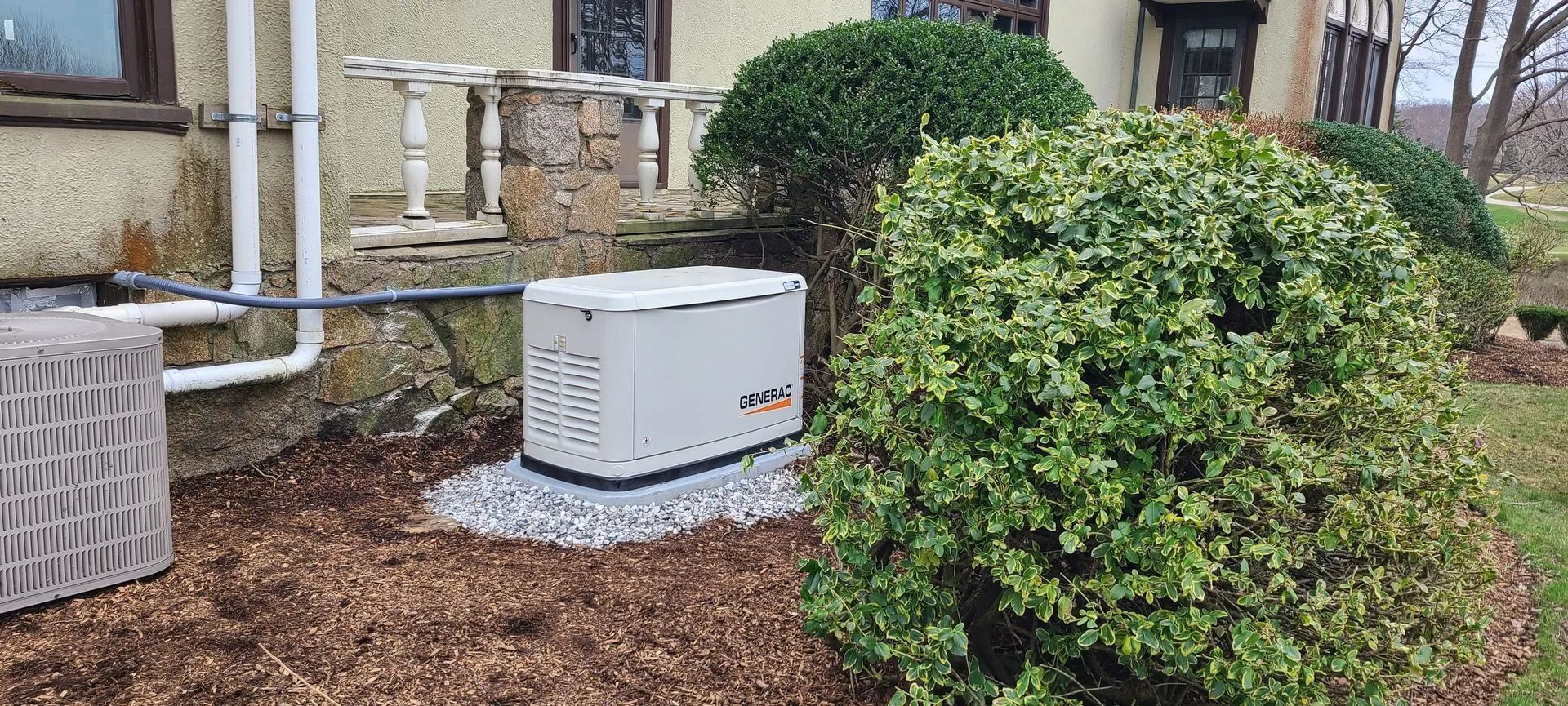
Portable generators become common during outages, but improper use creates major electrical and carbon monoxide hazards. Generators should never operate indoors, inside garages, or near windows because exhaust fumes can accumulate rapidly. Improper generator connections may also backfeed electricity into utility lines and endanger utility workers restoring power.
Homeowners should use professionally installed transfer switches and follow manufacturer safety guidelines when operating backup power equipment. Safe generator installation greatly reduces emergency risks during severe weather and prolonged outages.
Dedicated Emergency Electrical Services Homeowners Can Trust
Electrical emergencies demand immediate attention, informed decision-making, and qualified professional support to protect homes, families, and property from serious hazards. From burning odors and breaker failures to storm damage and dangerous wiring conditions, homeowners must understand both the correct response steps and the mistakes that increase risk during emergency situations. Fast action, safe power shutdown procedures, professional inspections, and preventive maintenance all play important roles in reducing injuries, preventing fires, and restoring electrical safety throughout the home. Ignoring warning signs or attempting unsafe repairs often allows problems to worsen and creates greater long-term damage inside the electrical system.
At Whalen Electric Inc, we bring 13
years of
professional electrical experience
serving homeowners throughout Weymouth, Massachusetts and surrounding communities. We understand how stressful and dangerous electrical emergencies can become when immediate action is required. Our focus remains on delivering dependable emergency electrical services, accurate troubleshooting, safety-focused repairs, and honest guidance that helps homeowners regain confidence in their electrical systems. Whether dealing with sudden outages, damaged panels, overloaded circuits, storm-related electrical concerns, or urgent wiring problems, we provide responsive solutions backed by industry knowledge and professional workmanship. Our commitment to safety, reliability, and long-term electrical protection allows homeowners to trust us during some of the most critical situations affecting residential electrical systems.